antik.it/Antique-compasses/5344a-Pocket-Compass/
Code 5344a
EUR 400.00
In stock
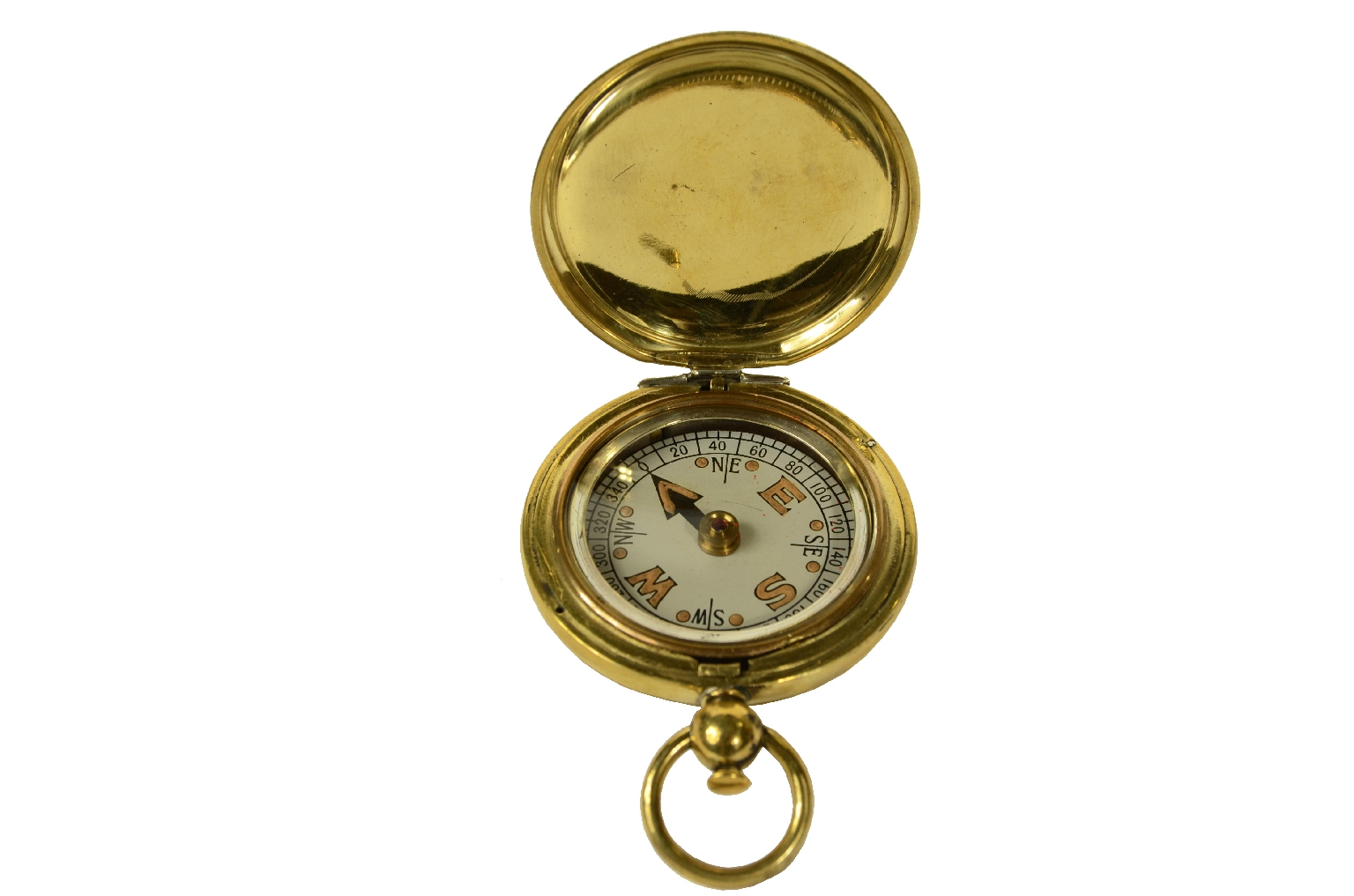
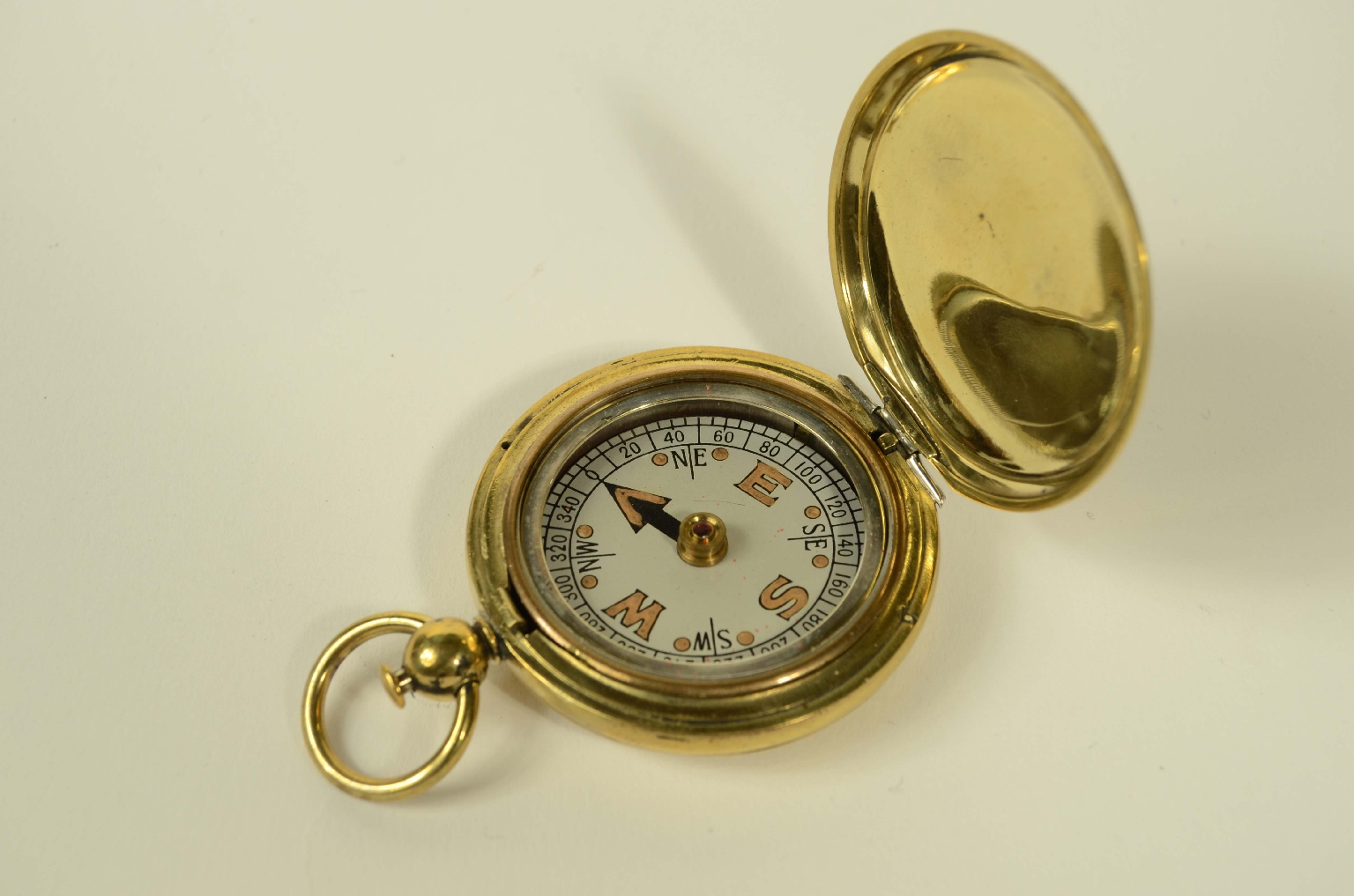
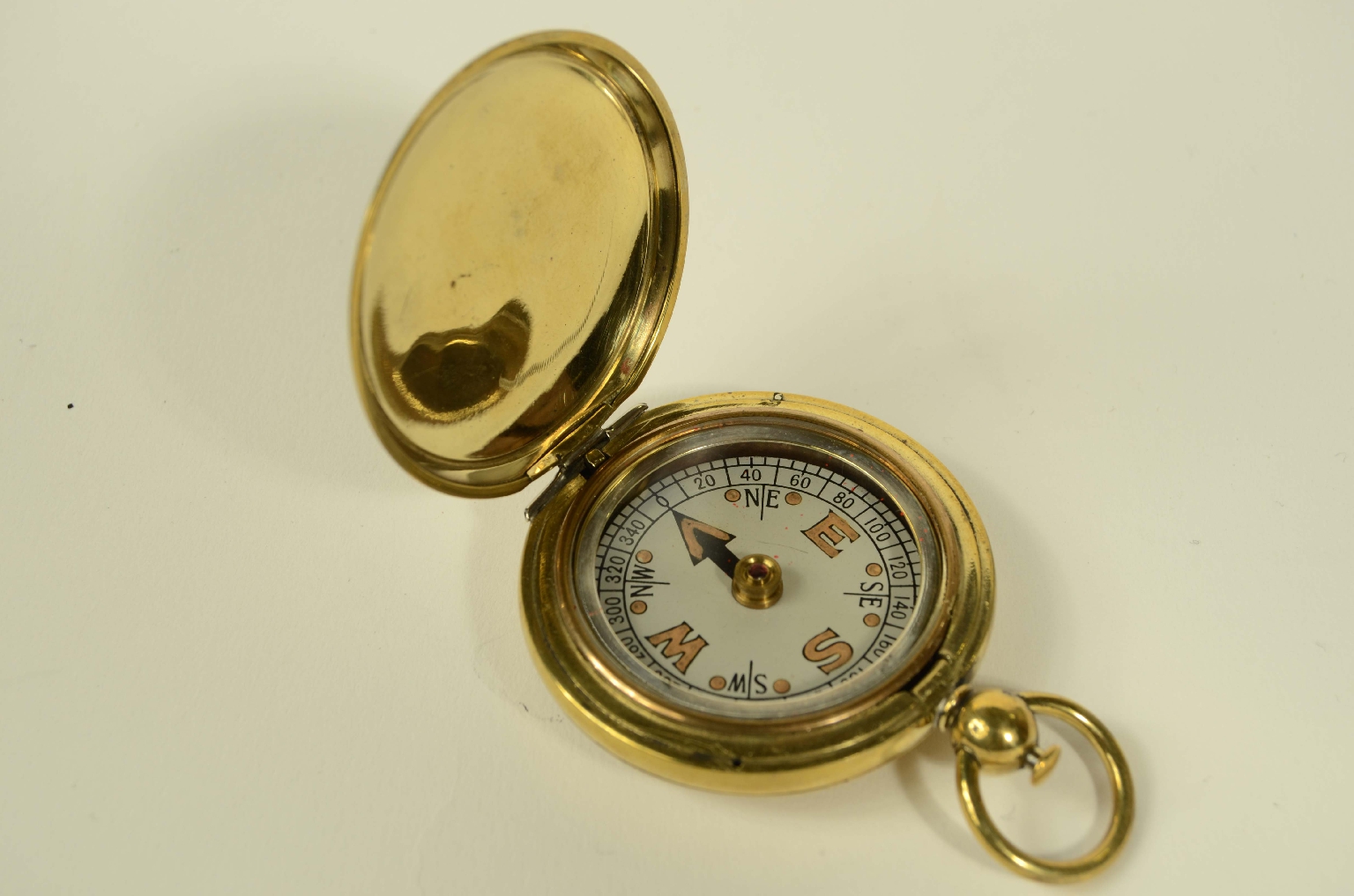
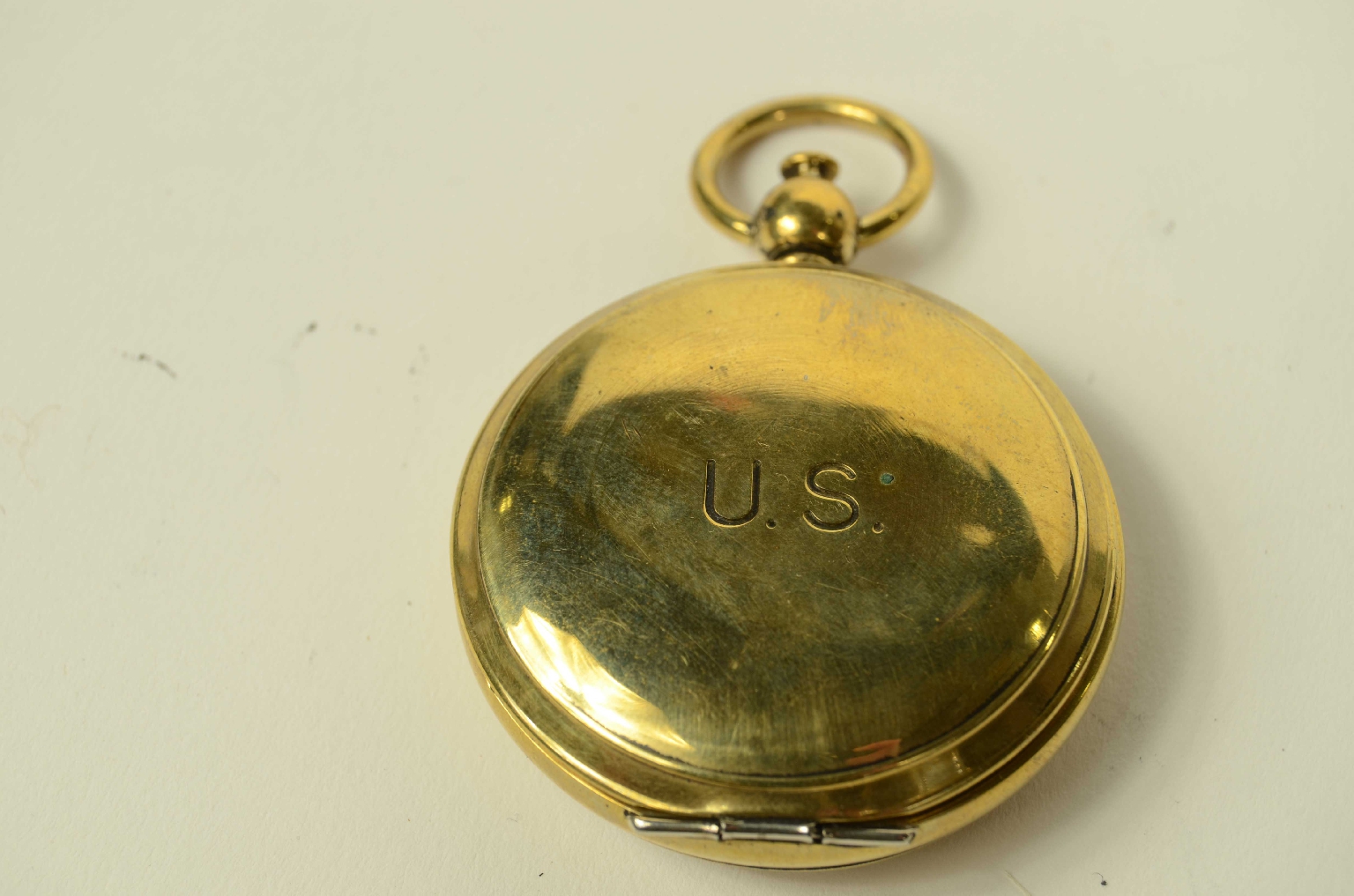
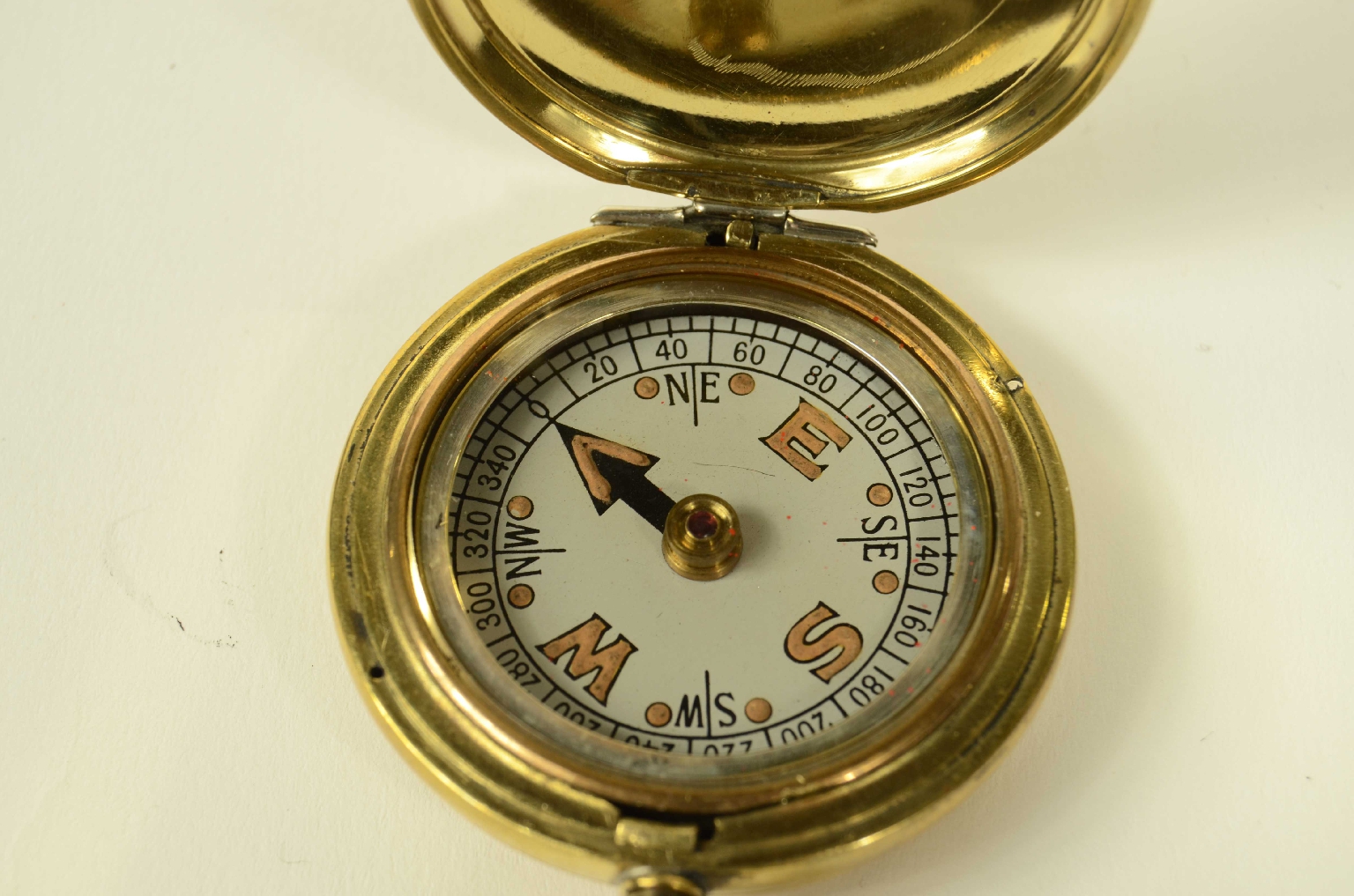
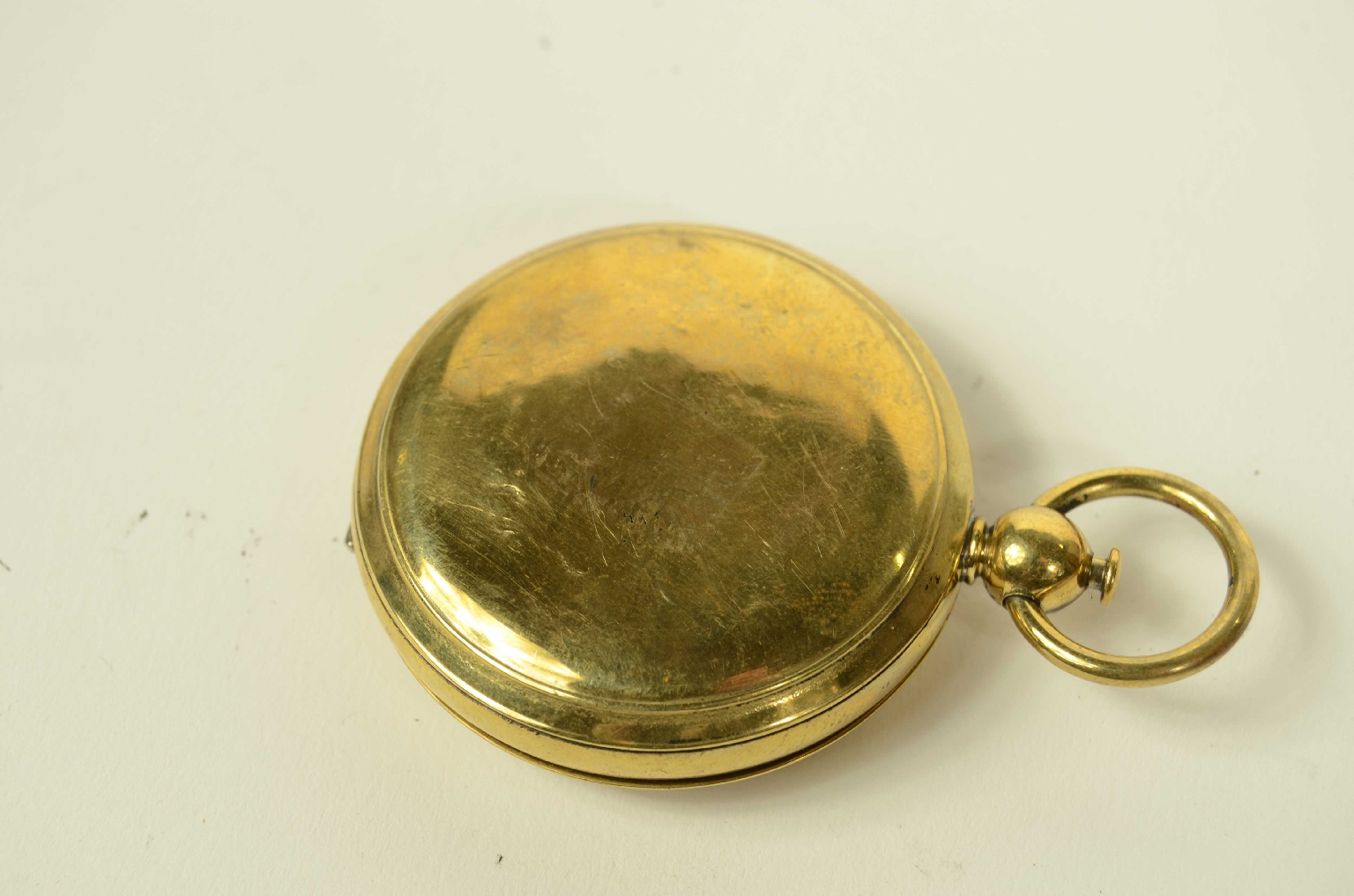
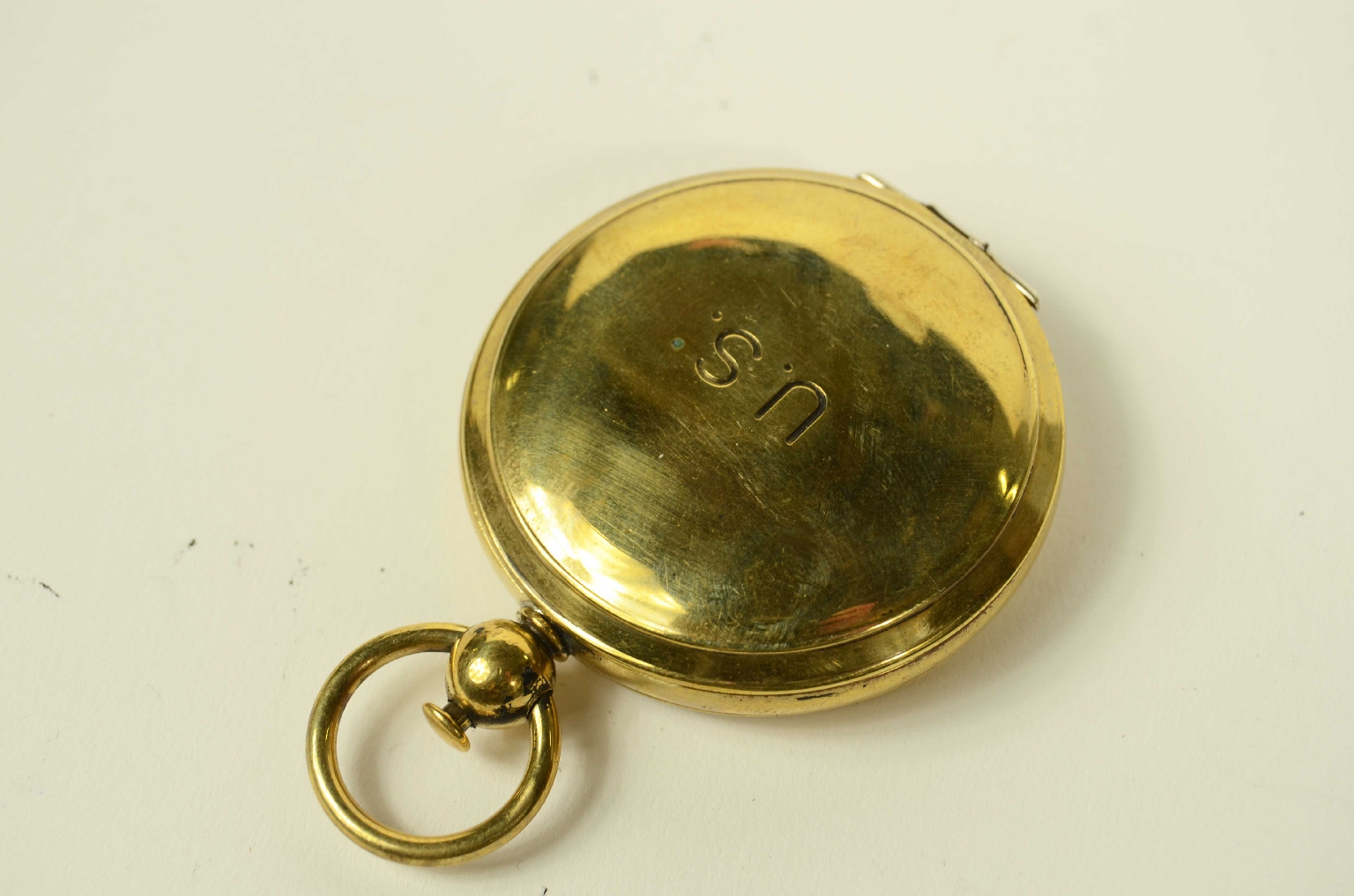
1769183676Code 5344a Pocket CompassA World War I British Air Force officer's pocket compass, made of brass in the shape of an onion watch. The lid bears the initials U.S., circa 1918. The compass has a snap-lock lid with a release button inside the ring. It features a compass card complete with a protractor circle for calculating horizontal angles. Good condition, fully functional.
Dimensions: 4.5 x 2 cm – 1.8 x 0.7 in.
The Greeks and Romans were still unaware of the possibility of exploiting magnetic fields for orientation, while it seems that this possibility was already somewhat known to the Chinese: around 2600 BC, Emperor Hoang-Ti managed to defeat Prince Tchi-Yeou in battle thanks to a "magic" chariot, the See-Nan (chariot indicating south). Thanks to this device, the emperor identified the enemy's escape route, even though the enemy had hidden it with a blanket of smoke. Fixed to the chariot was a wooden human-shaped figure that rotated on itself and, with its arm outstretched, always pointed south (indicating south obviously also indicated north, but south was considered the most important cardinal point by the Chinese). The Chinese also used their discoveries relating to magnetic fields as a form of entertainment and spectacle: they threw magnetized arrows like dice, and these aligned in a south-north direction as if by magic, which greatly impressed and amazed the spectators.
FAQ
Do you provide an authenticity certificate/expertise?
Of course! The legislative decree n. 42/2004 stipulates that who sells works of art or historical and archaeological items has the obligation to deliver to the purchaser the documents attesting to the authenticity of the object, or at least to submit the documents relating to the probable attribution and origin. Antik Arte & Scienza provides an expertise (as warranty) that contains a description, period and assignment or the author, if known, of the item.
How can I pay?
Secure payments by PayPal, credit card or bank transfer.
What are the shipping terms and the delivery schedule?
Shipping by DHL or UPS is free (but if we are shipping to a country non-EU remember that any taxes and customs duties are on your expense), and items will be sent just after receiving of payment.
Italy: delivering on the average in 24 h.
Europe: delivering on the average in 2/3 weekdays.
Other countries: delivering on the average in 5 weekdays; custom duties charged to the buyer.
Is shipping insured?
Of course! Free insurance by Lloyd's London that covers almost all destinations.
If I change my mind, can I return the item?
Of course! (see our general terms for more information).
e-Shop
Antique compasses
Code 5344a Pocket Compass
Antik Arte & Scienza sas di Daniela Giorgi - via S. Giovanni sul Muro 10 20121 Milan (MI) Italy - +39 0286461448 - info@antik.it - www.antik.it - Monday-Saturday: 10am-7pm