antik.it/Antique-compasses/8390-Pocket-Compass/
Code 8390
EUR 500.00
In stock
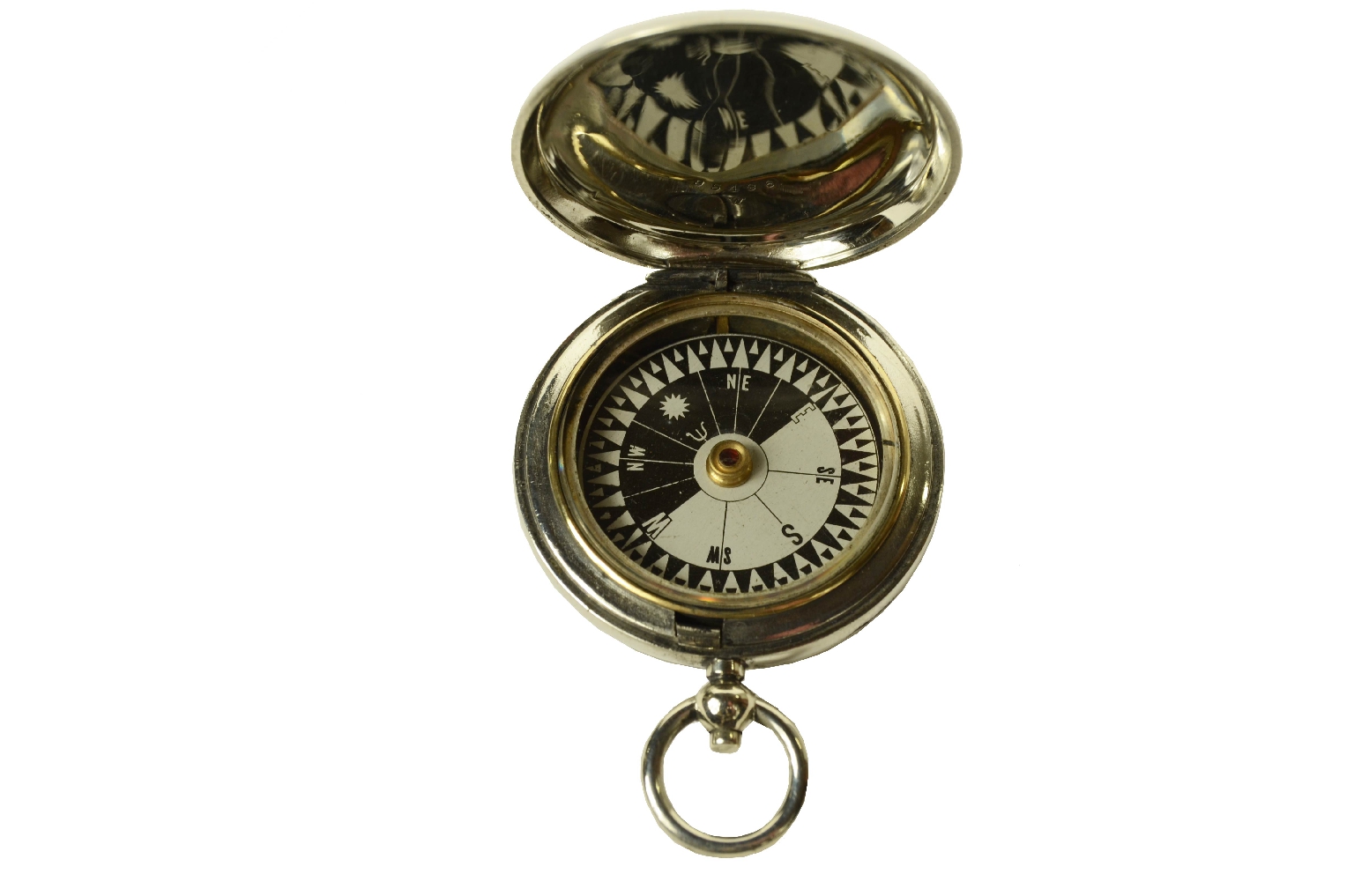
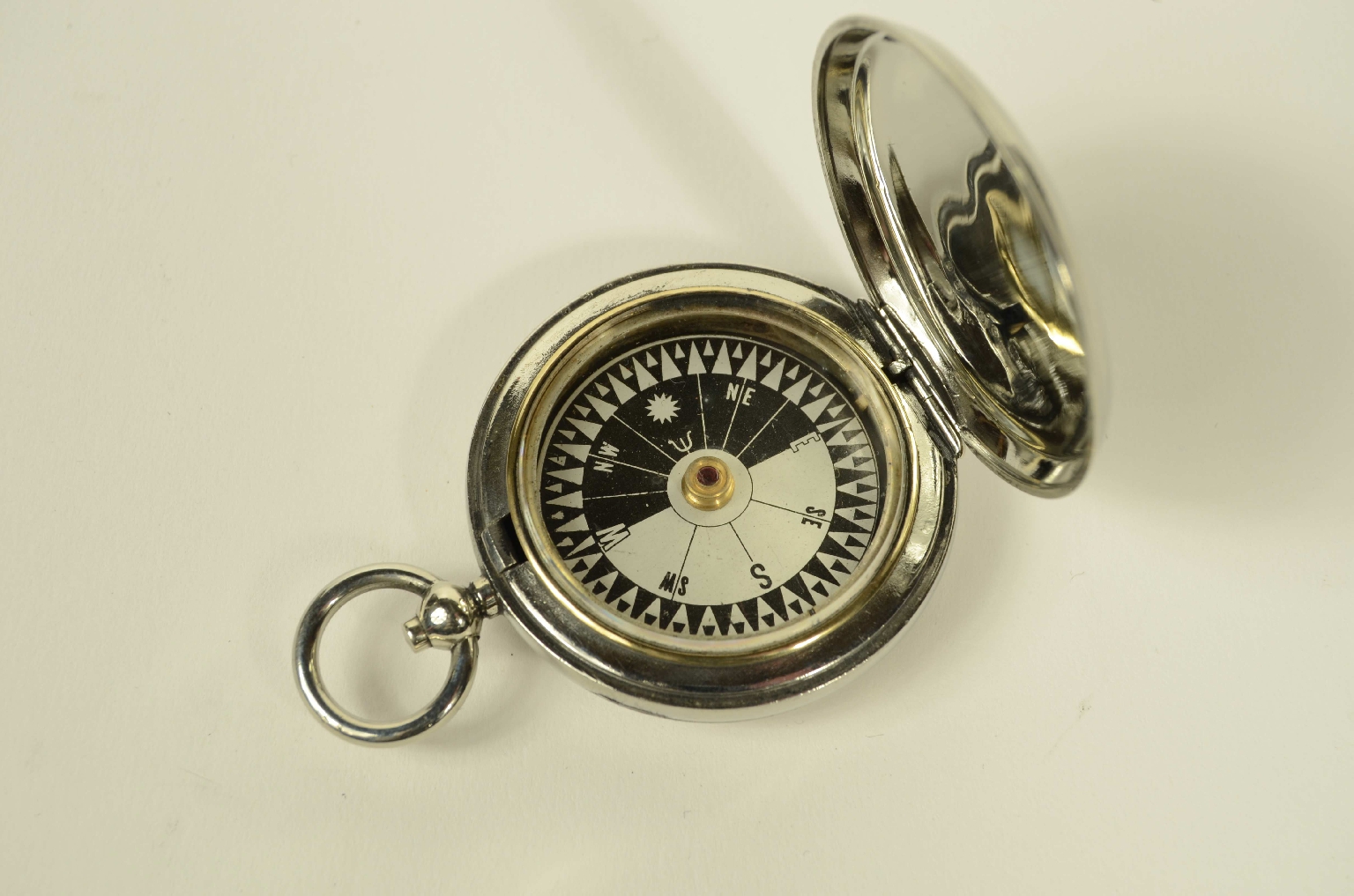
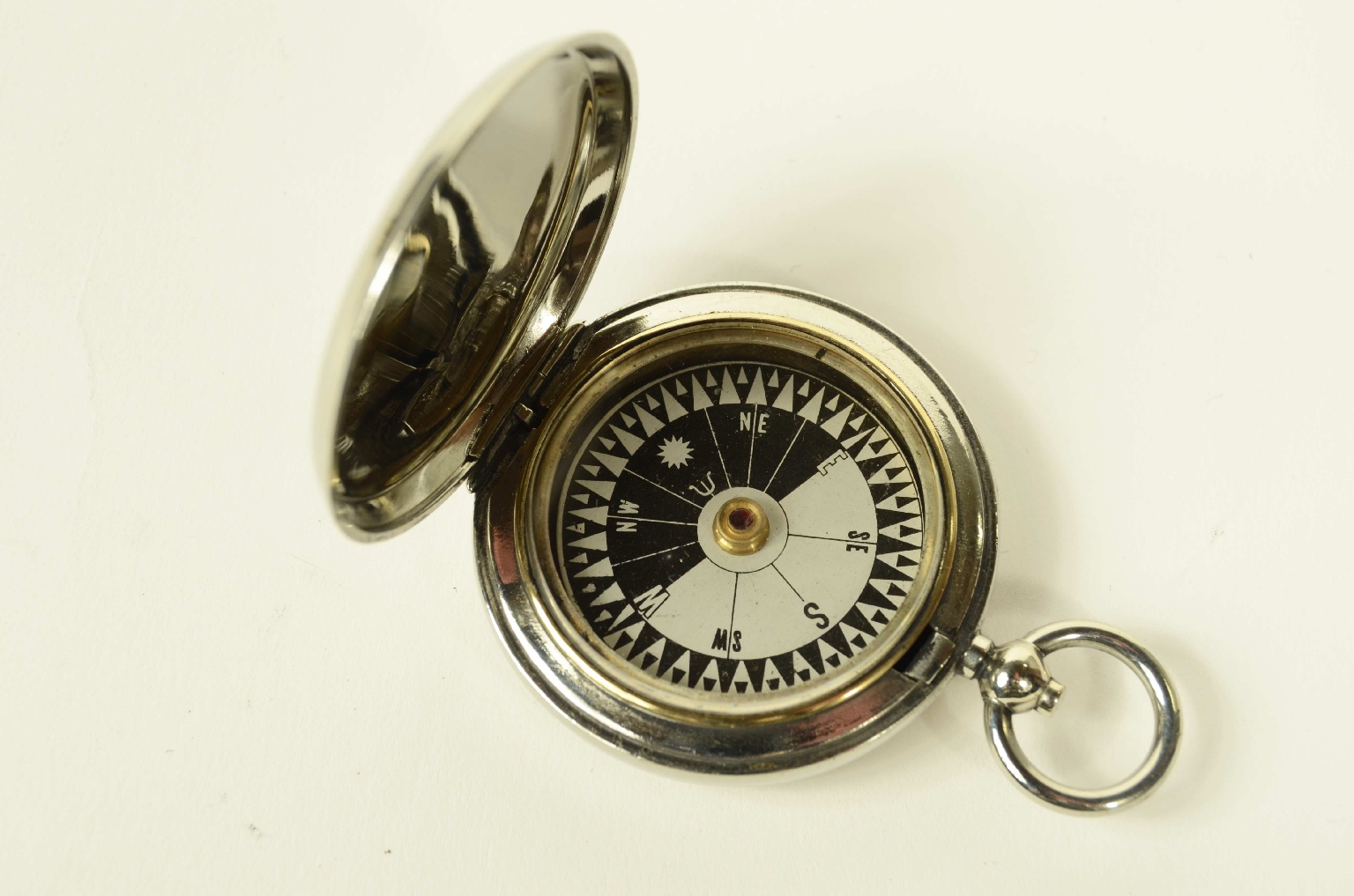
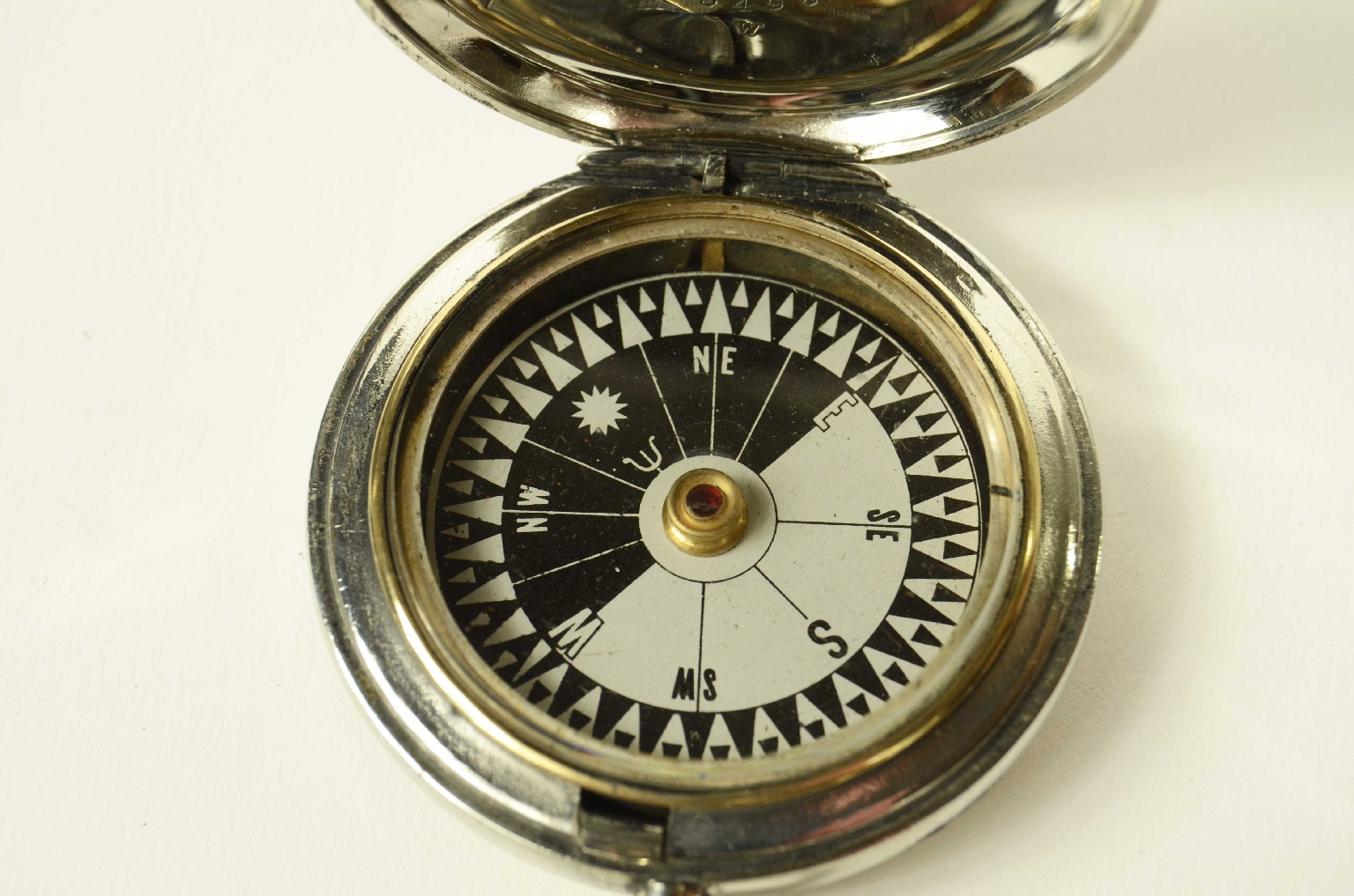
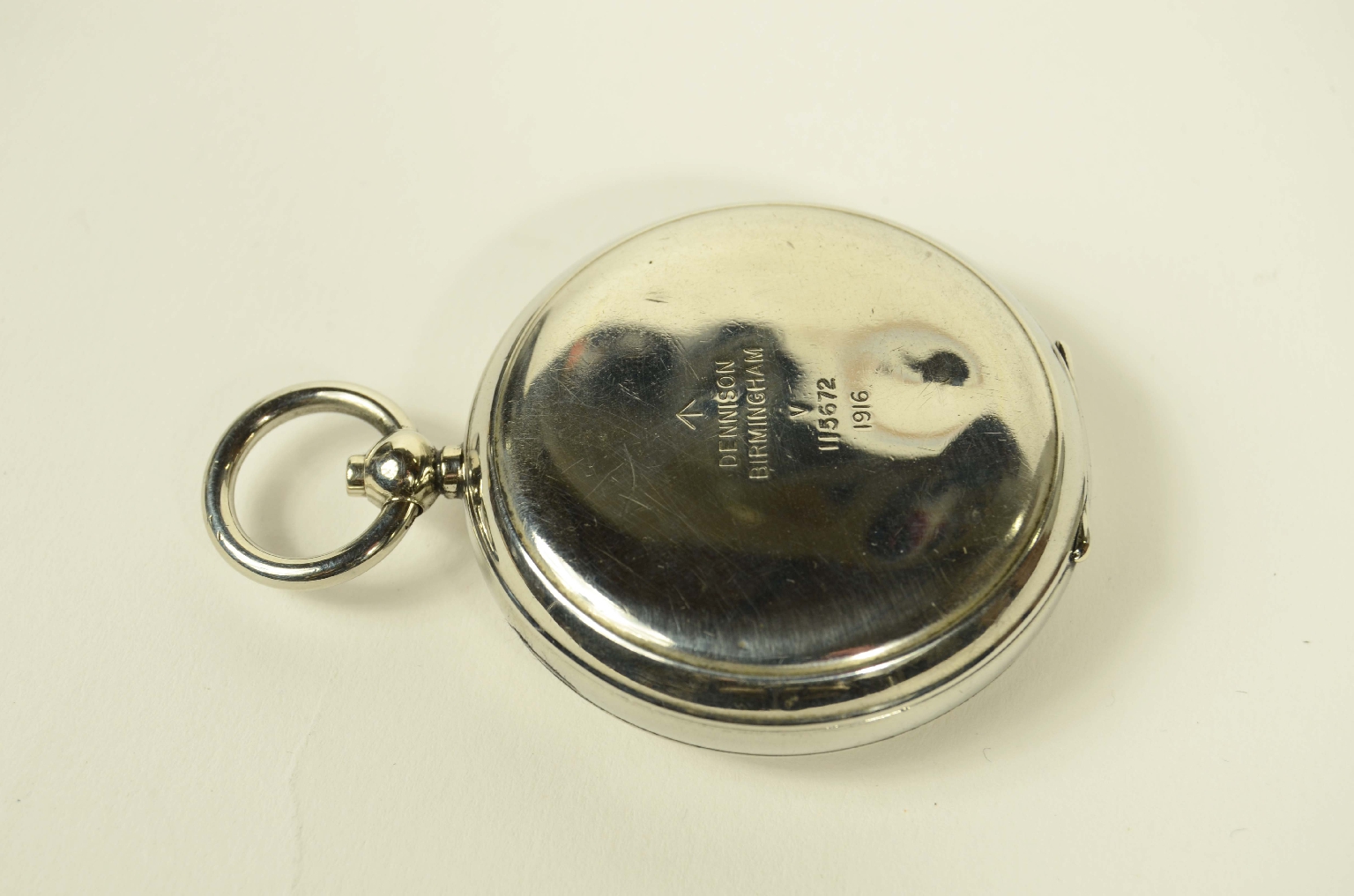
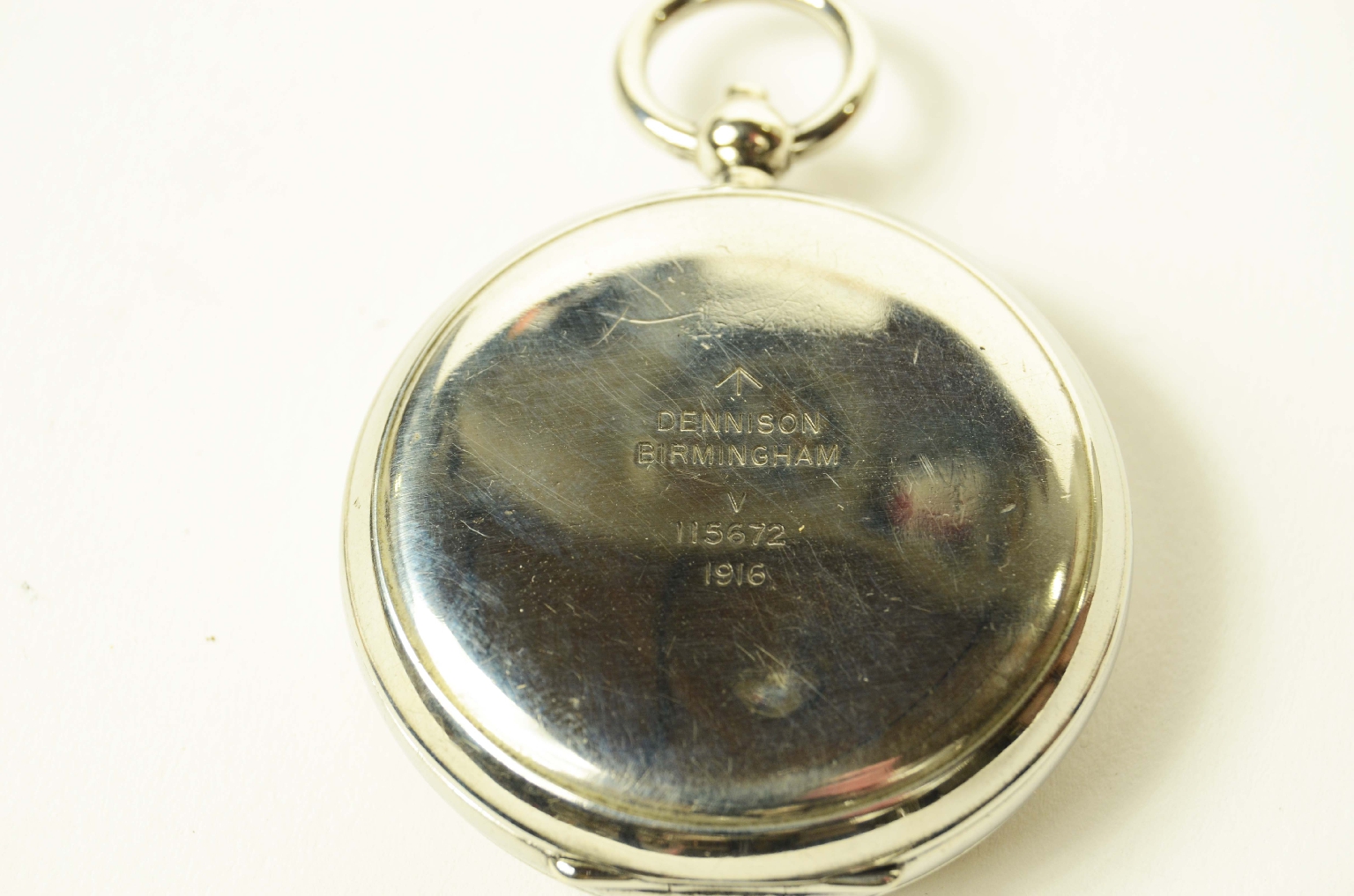
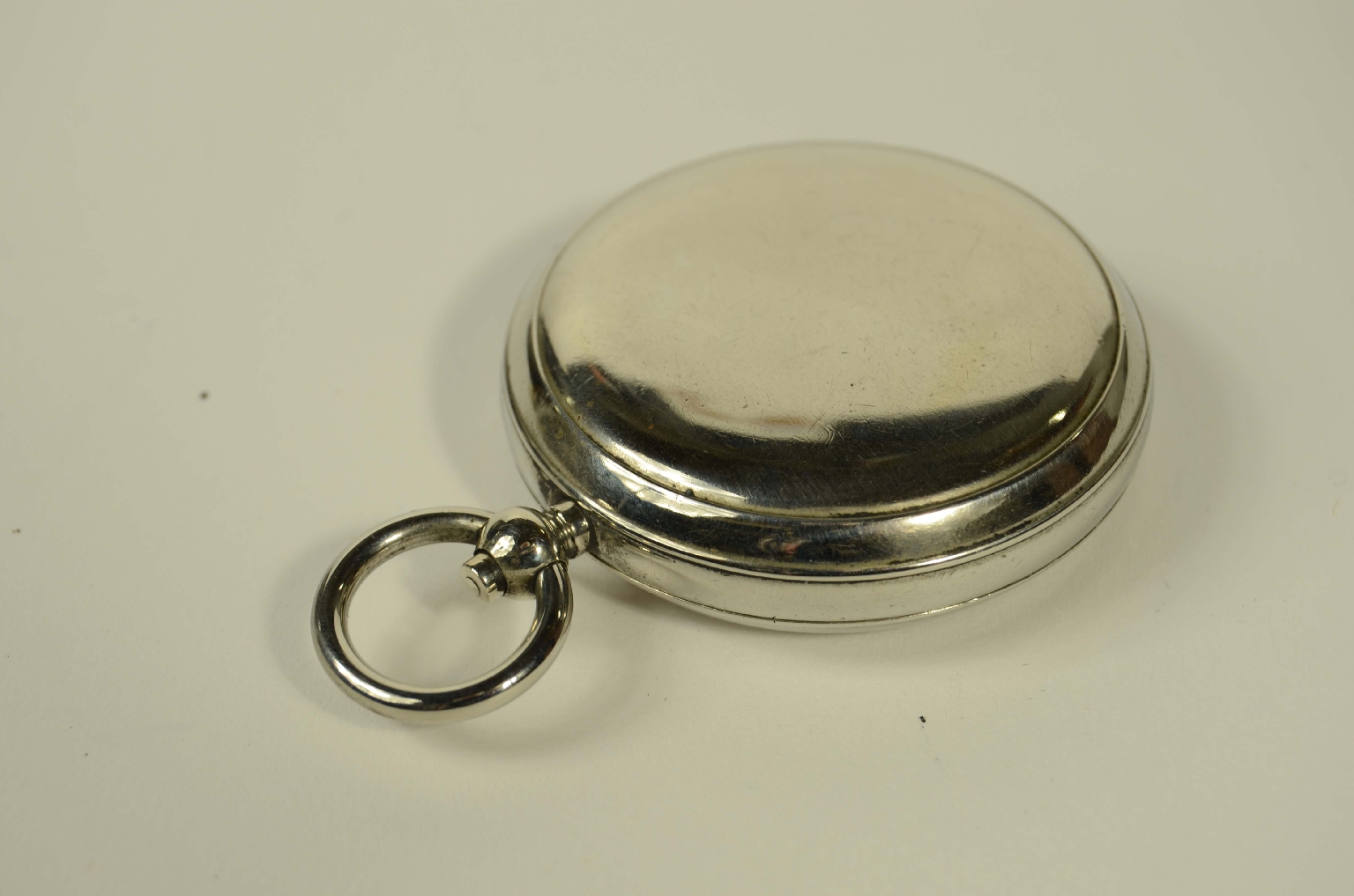
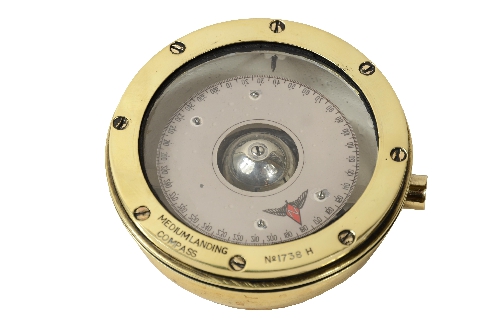
1769182571Code 8390 Pocket CompassPocket compass used by British air force officers in chromed brass, shaped like an onion watch, signed Dennison Birmingham V 115672, 1916. The compass features a snap-lock lid with a release button inside the ring. Eight-compass compass. Good condition, signs of use on the lid, fully functional.
Dimensions: 4.5 x 1.3 cm – 1.8 x 0.7 in.
Aaron Lufkin Dennison (1812–1895) was a watchcase maker from late 1874 at 24 Villa Road Handsworth, Birmingham, UK. He had previously been the managing director of the American Waltham Watch Company in the United States, where he created the first watch with interchangeable parts.
The first historical references to the use of magnetic directional force in Europe date back to the end of the 12th century or the beginning of the 13th century and attribute the exploitation of the properties of the magnet to the Amalfitans. Gimbal suspension made its first appearance around the middle of the 16th century. An exact description can be found in the short compendium “De la esfera y de la arte de navegar” by Martin Cortés (1551), which gives precise instructions for the construction of the compass. The great discoveries of new lands, from the middle of the 15th century onwards, are largely due to the improvements in this instrument.
FAQ
Do you provide an authenticity certificate/expertise?
Of course! The legislative decree n. 42/2004 stipulates that who sells works of art or historical and archaeological items has the obligation to deliver to the purchaser the documents attesting to the authenticity of the object, or at least to submit the documents relating to the probable attribution and origin. Antik Arte & Scienza provides an expertise (as warranty) that contains a description, period and assignment or the author, if known, of the item.
How can I pay?
Secure payments by PayPal, credit card or bank transfer.
What are the shipping terms and the delivery schedule?
Shipping by DHL or UPS is free (but if we are shipping to a country non-EU remember that any taxes and customs duties are on your expense), and items will be sent just after receiving of payment.
Italy: delivering on the average in 24 h.
Europe: delivering on the average in 2/3 weekdays.
Other countries: delivering on the average in 5 weekdays; custom duties charged to the buyer.
Is shipping insured?
Of course! Free insurance by Lloyd's London that covers almost all destinations.
If I change my mind, can I return the item?
Of course! (see our general terms for more information).
e-Shop
Antique compasses
Code 8390 Pocket Compass
Antik Arte & Scienza sas di Daniela Giorgi - via S. Giovanni sul Muro 10 20121 Milan (MI) Italy - +39 0286461448 - info@antik.it - www.antik.it - Monday-Saturday: 10am-7pm